Masks
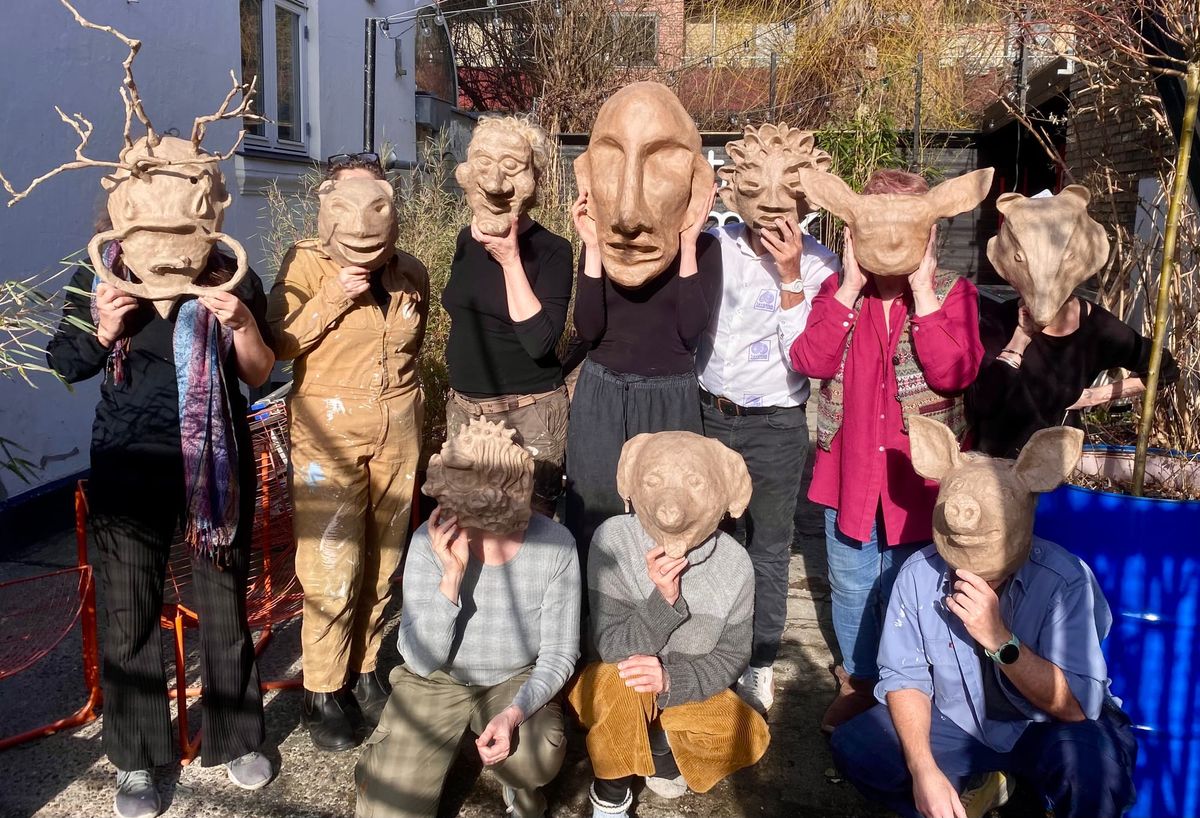
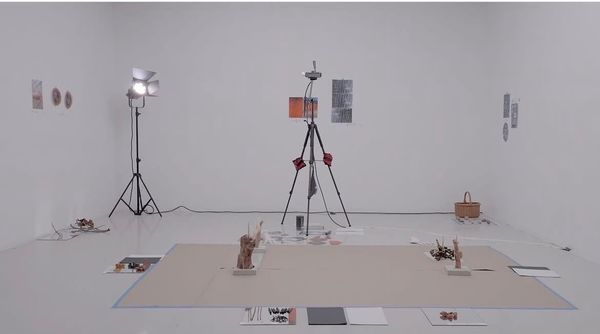
Last weekend I attended a mask workshop. I have always been intrigued by masks.
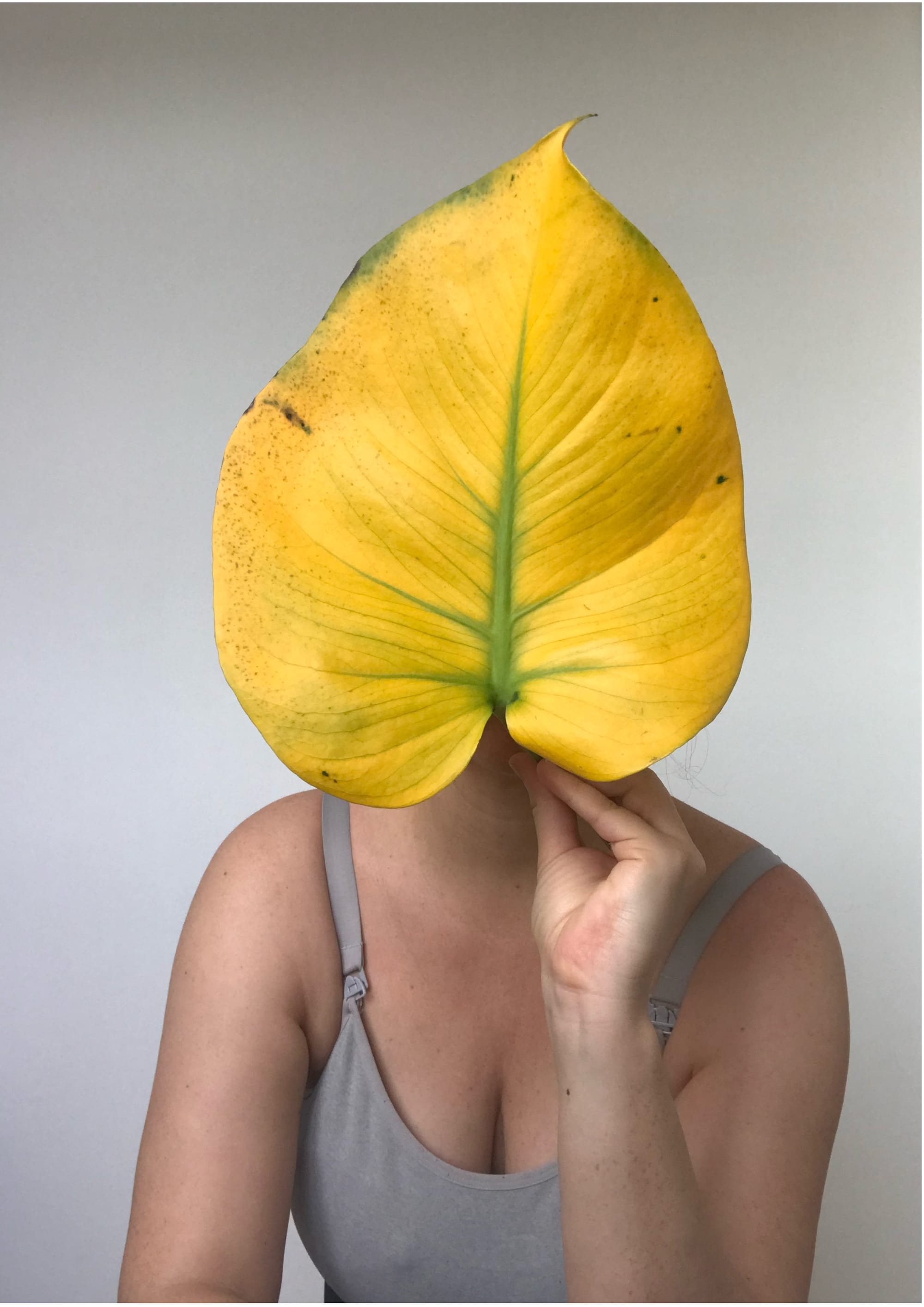
A mask is an identity. It is also a way of hiding one. It is play, transformation and permission.
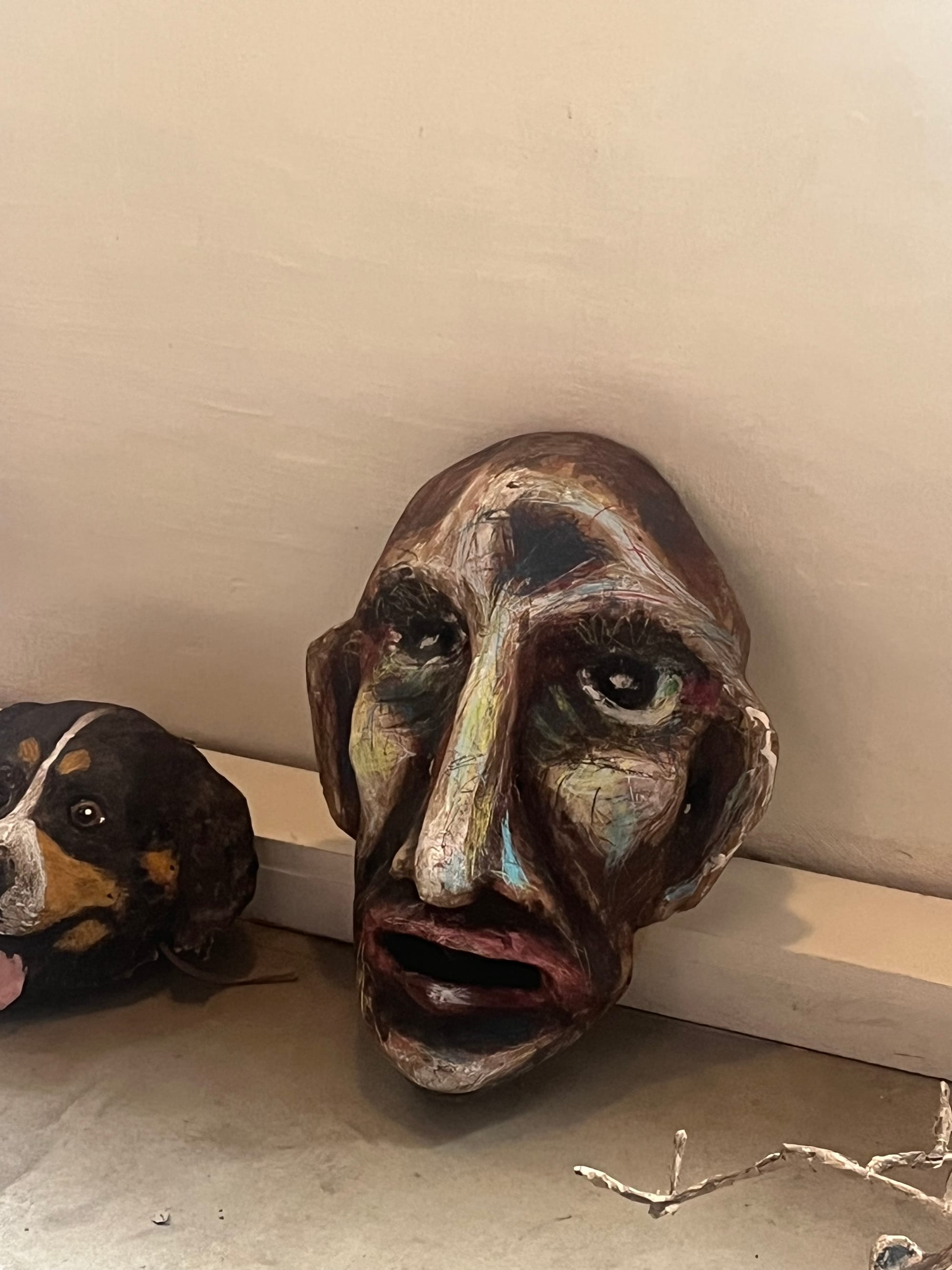
In Ancient Greek theatre, masks amplified voices and emotions, turning individuals into archetypes that could be seen from the furthest seat. In Commedia dell’arte, the half-mask created instantly recognizable characters—like Harlequin, allowing performers to step into centuries-old human patterns of folly, desire, greed, and wit.
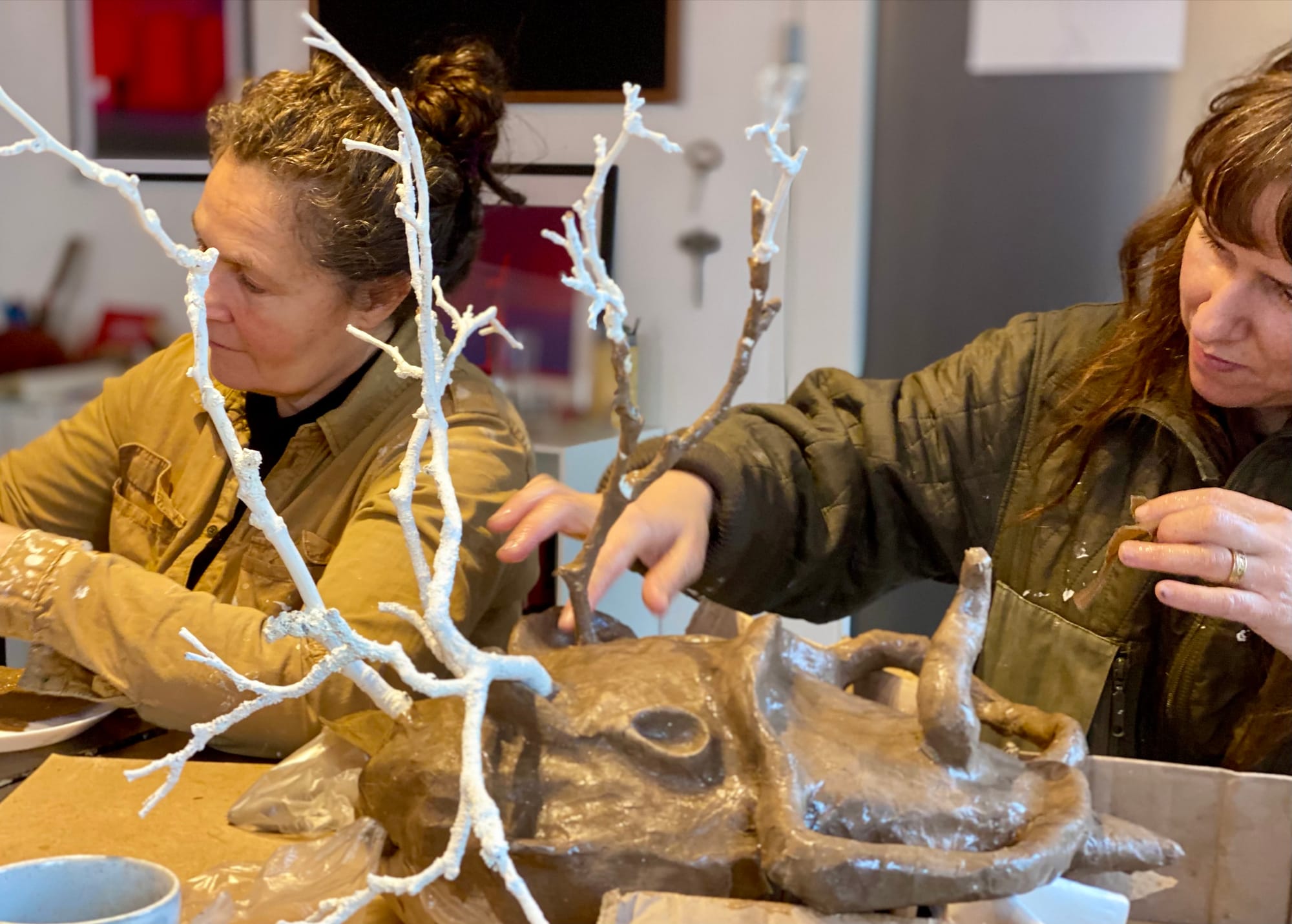
Masks have never belonged only to theatre. Across cultures they have appeared in ritual, ceremony, and art like tools for transformation. In many traditions, a mask allows a person to hold something larger than themselves: a spirit, an ancestor, a role in the collective story. The wearer becomes both themselves and not themselves at once. That paradox is the power of the mask (And the theater too).
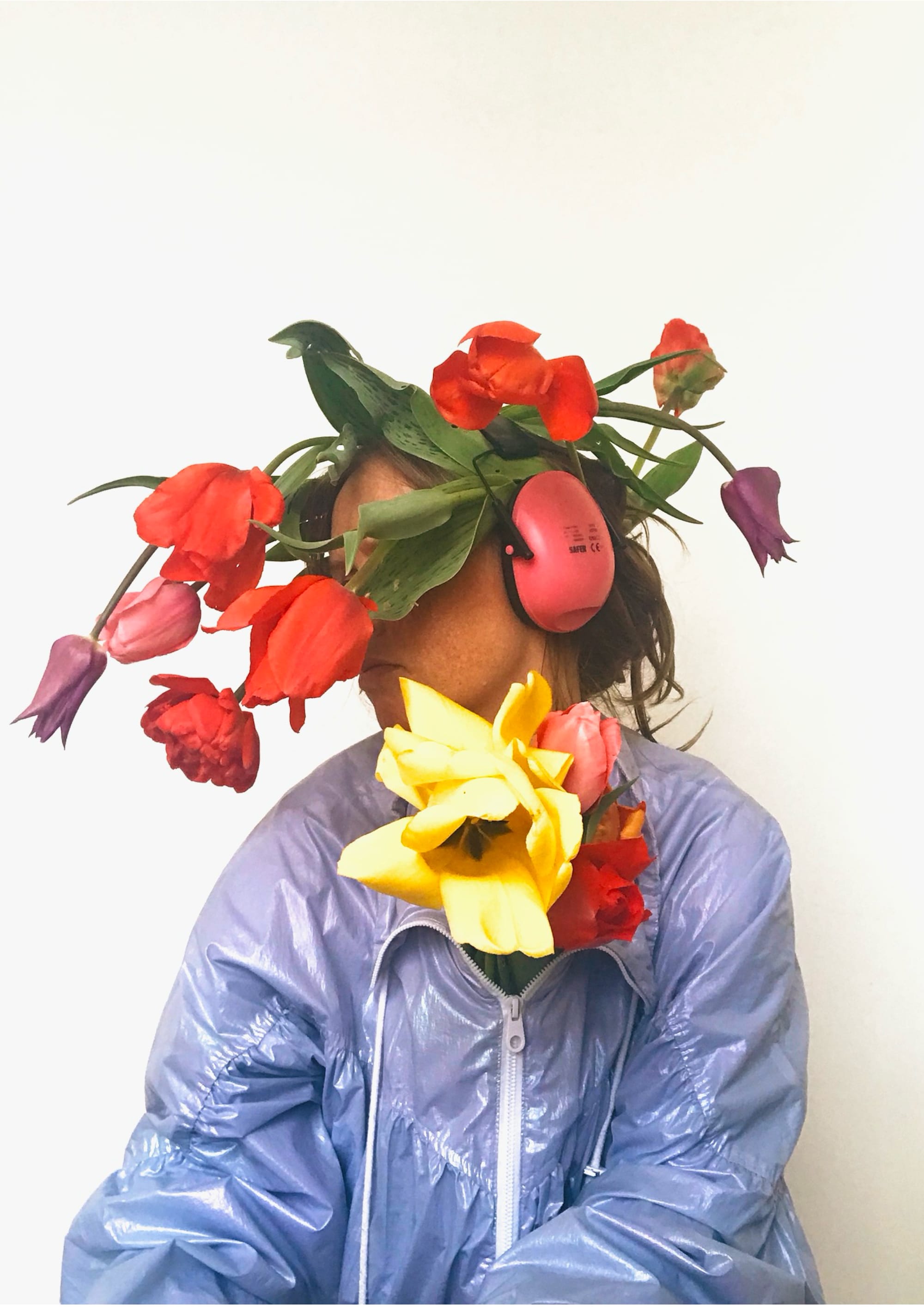
As a stage director, I have always understood mask through the actor’s craft—the discipline of becoming someone you are not. But as a human being, I have been wearing masks all my life.
The people-pleasing mask.
The artist’s mask.
The good mother mask.
I played the good patient. The good daughter.
These masks were identities that were not entirely me—but also not entirely not me. They were roles I stepped into, sometimes consciously, often not. Like actors stepping onto a stage, we learn the gestures, the tone of voice, the expectations that come with each mask, stepping out of them are full of consequences and can feel daunting 💔
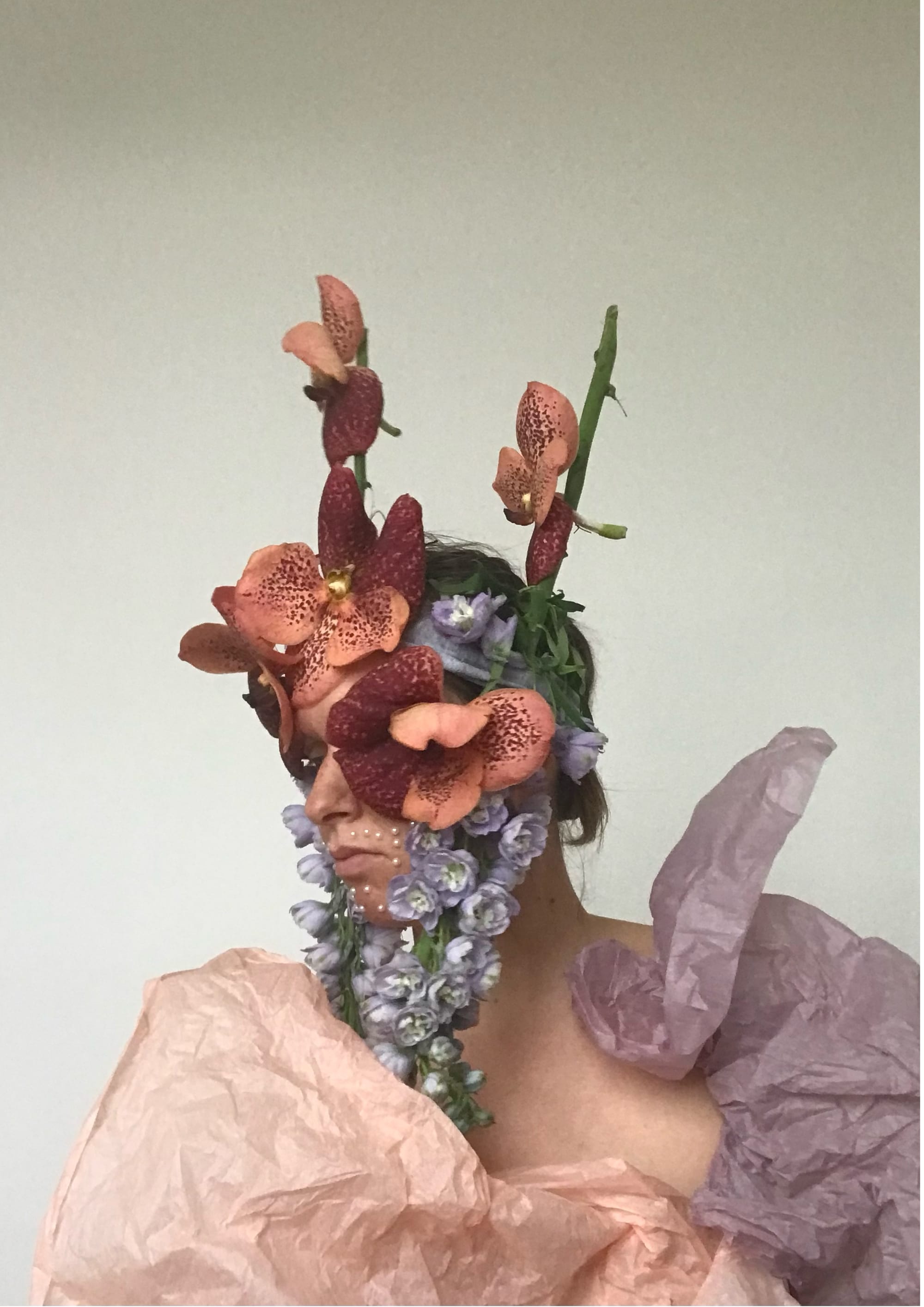
In the workshop I parted with masks I once wore. Masks that protected me.
Masks that limited me. Masks that helped me survive particular moments in time.
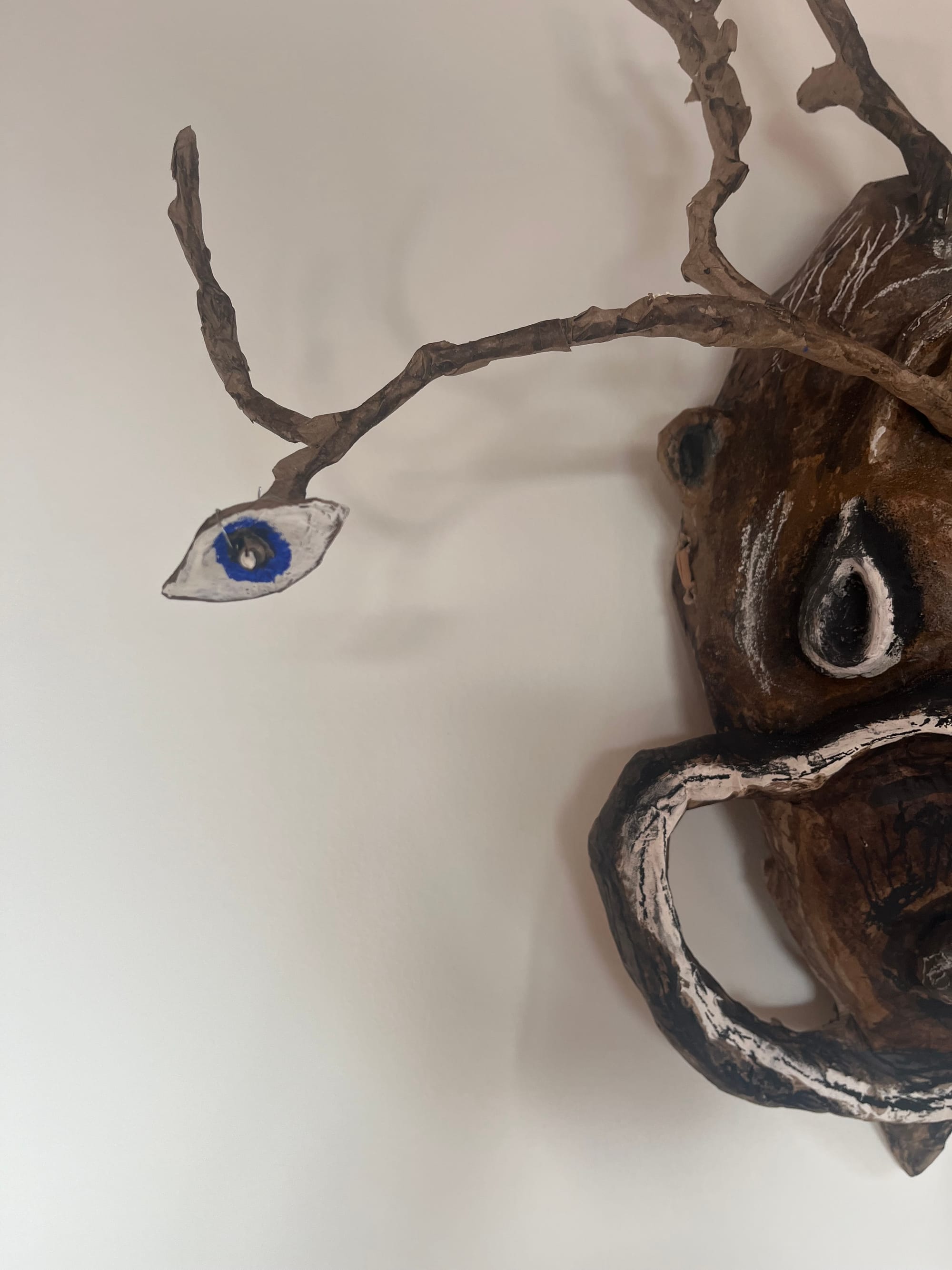
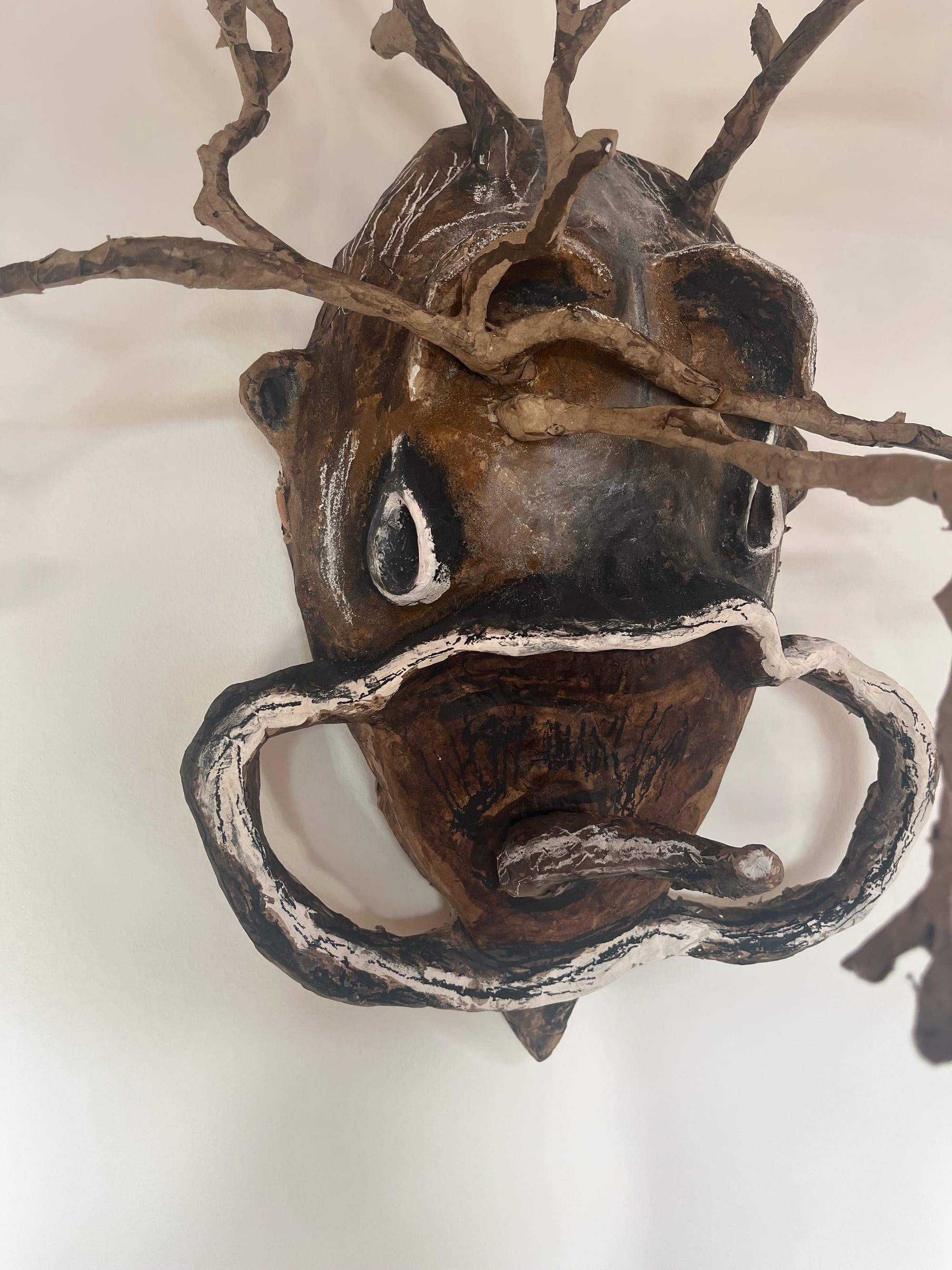
In the workshop I created a death mask for all my past masks, all my past identities.
Historically, death masks were plaster casts made immediately after someone died. The white plaster preserved the contours of a face so sculptors could use them, to create statues that carried the likeness of the person long after they were gone. The face became a record of a life that had ended.
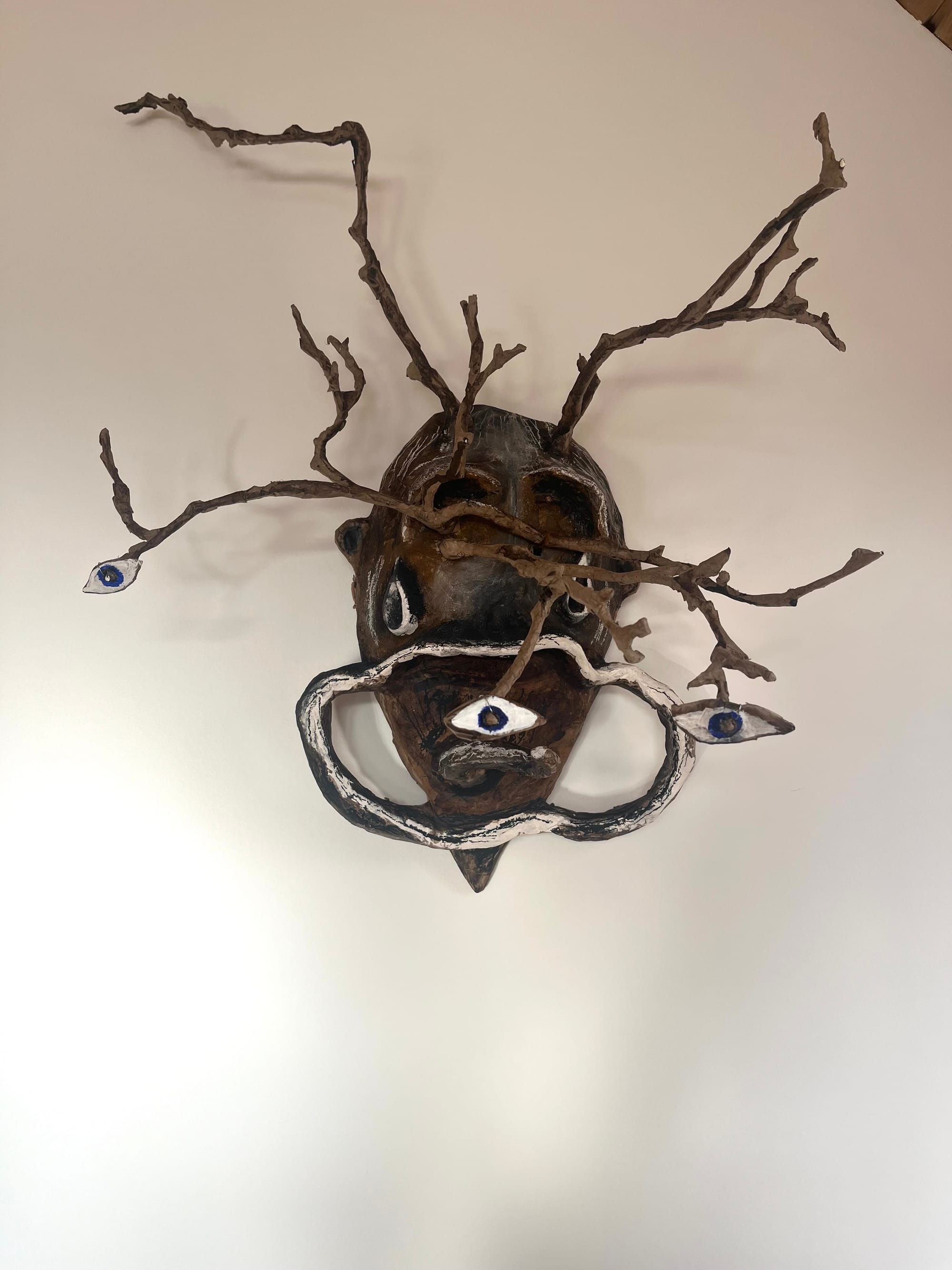
Standing here now, I feel I am in a threshold space. A place of deciding which identities I will carry forward, which I will make use of, and which I will lay down. Perhaps that is the deeper lesson of masks—artistically and personally. They are not lies. They are tools. They allow us to move between worlds, between versions of ourselves, different situations and stages of life.
I find myself in a place where I feel comfortable with this truth: that I contain many possible masks. Many ways of being. And instead of unconsciously wearing them, I can choose which ones to wear 🎭✨